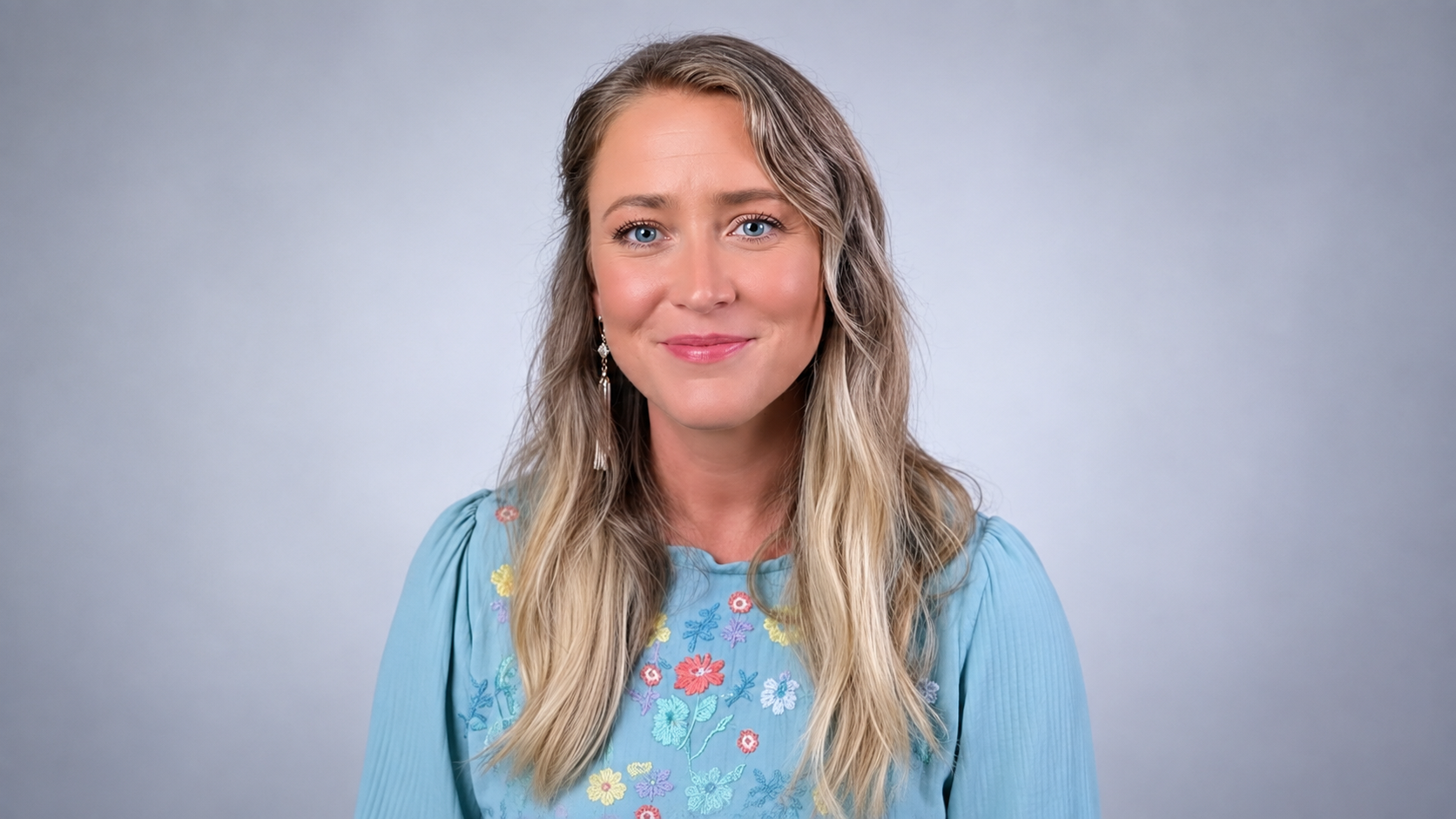
Rachel Mastrogiacomo was invited to speak at the Restore Tradition Women’s Conference, held at a Catholic church in Littleton, Colorado, on September 25–26, 2026. She had been advertised as a speaker long before the event. However, according to a recent investigative report by Hiraeth in Exile, her participation had already raised concerns because of her reported connections to the Society of Saint Pius X (SSPX).
Rachel eventually took the stage, but her presentation was reportedly interrupted twice. The stated reason was that her allotted time had expired. She subsequently left the venue, and her name was later removed from the conference’s online schedule. The report also presents leaked emails suggesting that the host parish and the Archdiocese of Denver had been involved in discussions about her participation.
The full circumstances of her interruption and departure still deserve clarification. Rachel’s supporters understandably feel that she was disrespected and unfairly treated. SSPX sympathizers will naturally argue that she was silenced for telling the truth about the Church. I have followed Rachel’s work for some time, I even help promote her book The Devil in Rome in my own little ways, and I appreciate her willingness to speak about difficult issues, particularly clerical abuse and the importance of Catholic Tradition. So I know she always tells the truth.
The real question is not simply whether Rachel was treated unfairly. It is whether her reported association with the SSPX raises legitimate concerns about her suitability to speak at an event hosted on Catholic Church property.
The SSPX is not just another traditional Catholic organization. Its unauthorized episcopal consecrations in 1988 resulted in a declaration of schism by the Holy See. Its decision to proceed with further unauthorized episcopal consecrations in July 2026 has renewed serious concerns about its relationship with the Church’s hierarchy. The Church’s canonical position on the SSPX and the consequences of its actions should not be dismissed simply because the Society promotes the Traditional Latin Mass.
Yet this is precisely what many SSPX sympathizers tend to overlook. They will readily question the conduct of the archdiocese, the parish, or the conference organizers, but they often refuse to confront the implications of defending a group that persists in acting against the authority of the Pope.
The conference was held in a Catholic parish within the Archdiocese of Denver. The organizers were therefore not operating in a vacuum. The local bishop has legitimate ecclesiastical responsibilities for Catholic activities within his diocese, and the parish has a responsibility to ensure that events hosted on its premises are consistent with the Church’s teachings and discipline. This does not mean that every decision by a bishop is automatically right or that speakers should be treated without respect. It does mean that ecclesiastical oversight is a legitimate part of Catholic life.
If I were the local bishop, I would also have serious reservations about inviting speakers who publicly defend the SSPX’s disobedience and challenge the Church’s authority in ways that risk normalizing schism. This concern would extend to figures such as Michael Matt, Matt Gaspers, Peter Kwasniewski, and John-Henry Westen, insofar as their public positions defend or justify the SSPX’s actions. This is not about silencing people simply because they are traditionalists. It is about recognizing the difference between defending Catholic Tradition and defending disobedience to the Church.
The SSPX’s July 2026 episcopal consecrations, despite Pope Leo XIV’s efforts to prevent them, make this issue even more serious. The now-excommunicated Society chose to proceed despite the Holy See’s objections. The Pope even pleaded with the Society not to proceed with the illicit consecrations. Such actions cannot be justified merely by claiming to preserve Tradition. Catholic fidelity requires more than adherence to traditional liturgical practices; it also requires communion with the Church and respect for legitimate ecclesiastical authority.
Rachel’s response to the incident was understandable. Anyone who feels publicly humiliated or disrespected has a right to explain what happened. However, I believe her response could have addressed the more important issue as well. If she has indeed maintained a relationship with or supported the SSPX, she could have used the opportunity to clarify her position. If she is no longer associated with the Society, she could have made that clear to the public.
Simply focusing on the way she was treated risks diverting attention from the underlying ecclesiastical issue. We should be able to acknowledge that someone may have been treated unfairly while also questioning the positions that may have contributed to the controversy.
There is also a practical solution for traditionalist speakers who wish to discuss controversial issues without being subject to the restrictions of a diocesan venue. They can organize events in hotels, theaters, or other privately rented spaces. If SSPX sympathizers have the resources to organize conferences and raise funds, they can also arrange independent venues rather than expecting Catholic parishes to accommodate every position they promote.
It is unreasonable to expect a Catholic parish to provide its facilities while dismissing the legitimate authority and responsibilities of the local bishop. Those who publicly challenge the Church’s authority should not be surprised when their positions raise concerns among the very ecclesiastical authorities responsible for safeguarding the faithful.
Ultimately, the solution is not to create a separate Catholic identity built around resistance to the hierarchy. It is to remain faithful to the Church, even when we disagree with particular decisions of its leaders. We can defend the Traditional Latin Mass, promote reverent liturgy, criticize abuses, and call for genuine reform without endorsing schism or disobedience.
I sincerely hope Rachel will clarify her relationship with the SSPX, if the reported connection is accurate. I also hope the conference organizers will explain why she was interrupted and why her name was subsequently removed from the schedule. Both matters deserve honest answers. If she does have a connection with the SSPX, she should humbly acknowledge that this may have been part of the reason for the controversy. If she is not connected to the SSPX, she could have made that clear to the organizers in advance.
Recommended Books on Amazon
- Rachel Mastrogiacomo (2025). The Devil in Rome
- John Salza and Robert Siscoe (2022). True or False Pope: Refuting Sedevacantism and other Modern Errors
- Fr. Chad A Ripperger (2013). The Binding Force of Tradition




Leave a Reply