In my previous article, “Formal Adherence to the SSPX Schism,“ I examined the canonical concept of formal adherence for the laity as explained by canon lawyer Cathy Caridi. Caridi explained that lay Catholics are not excommunicated for schism merely because they attend SSPX Masses or receive the sacraments from SSPX priests. Rather, formal adherence requires something more: an interior conviction that the positions and decisions of the SSPX leadership take precedence over those of the Pope and the Vatican.
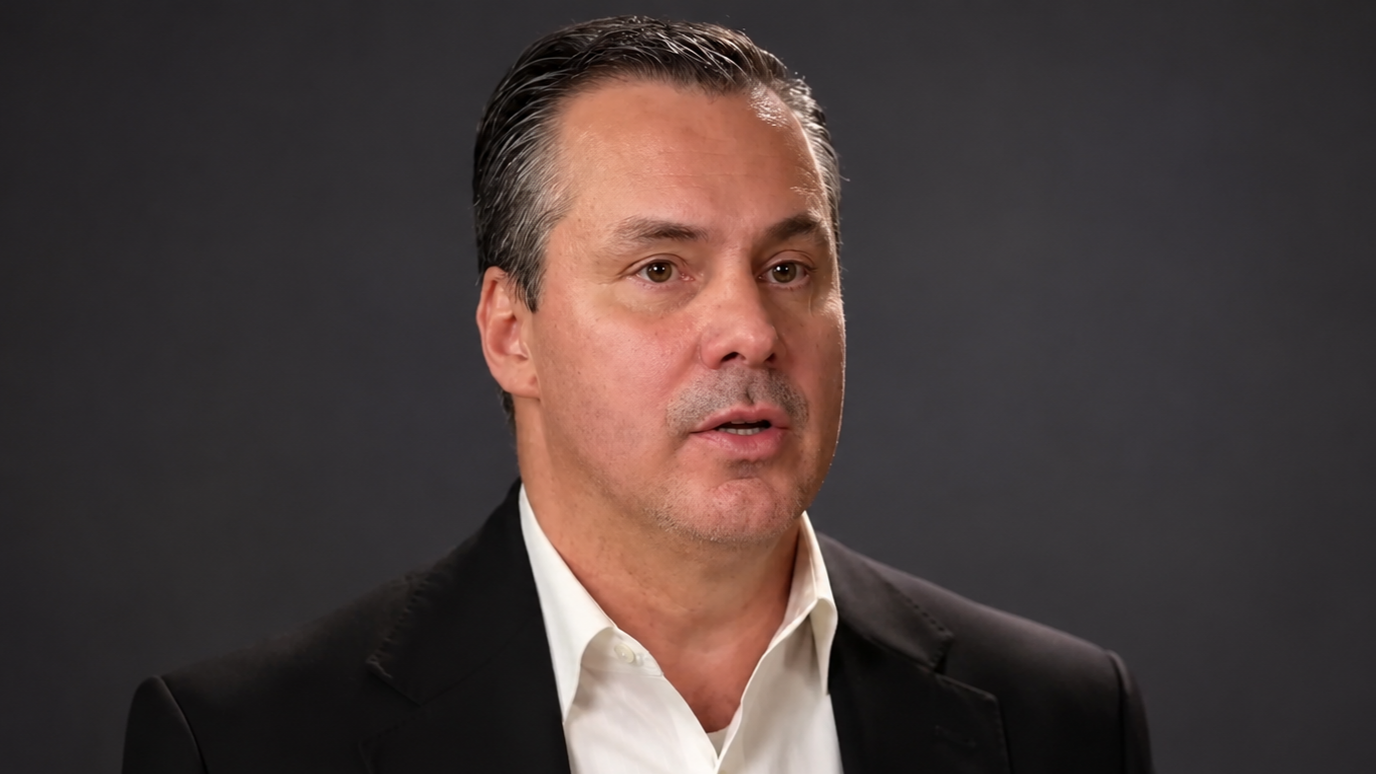
That naturally raises another question: What about Catholics who do not regularly attend SSPX chapels but nevertheless publicly defend the Society, promote its doctrinal positions, or justify its unauthorized episcopal consecrations? This question has become particularly relevant in light of the public advocacy of figures such as Peter Kwasniewski, Taylor Marshall, Bishop Athanasius Schneider, and John-Henry Westen. Civil lawyer, Catholic author, apologist, and former SSPX adherent John Salza addressed precisely this issue in a recent interview with Christine Niles.
According to Salza, while the Dicastery for the Doctrine of the Faith (DDF) has acknowledged that those attending SSPX chapels solely for liturgical reasons may lack imputability, it makes no such exception for those who publicly promote the SSPX’s doctrinal positions or defend its unauthorized episcopal consecrations. He argues that such public advocacy could constitute formal adherence to schism and carry grave canonical consequences.
Christine Niles: “What about those laypeople who may not necessarily attend SSPX chapels exclusively, but who appear on podcasts and in the media, constantly promoting the SSPX, defending it, and justifying the consecrations? Shouldn’t they be a little nervous?”
John Salza: “I think they’re almost worse, because the DDF does acknowledge that there may be a lack of imputability for those who attend SSPX chapels solely for liturgical reasons. However, there is no such exception for those who promote the doctrinal positions of the SSPX, and that’s very important. So those who publicly agree with and promote the SSPX’s position—including arguing in favor of this most grievous schismatic act—would, in my view, be demonstrating clear formal adherence to the schism because they are arguing in favor of it. They would therefore, using the DDF’s own language, be considered excommunicated schismatics in the external forum. That’s a dangerous position. Again, I’m not claiming to judge their interior disposition, nor can the Church judge it. But moral imputability, as canon law says, may be presumed when there is an external violation of the law. Publicly agreeing with and defending a most grievous schismatic act would, in my view, constitute such a violation.”
Salza’s analysis is also consistent with Canon 1321, which states that no one is punished unless the external violation of a law is gravely imputable by reason of malice or culpability. At the same time, an external violation gives rise to a presumption of imputability unless the contrary is established. This is the canonical principle to which Salza refers when he distinguishes between judging a person’s interior conscience—which belongs to God alone—and evaluating objectively public actions in the Church’s external forum.
Whether one ultimately agrees with every aspect of John Salza’s canonical analysis, his remarks deserve serious consideration because they are grounded in the same principles reaffirmed by both Pope St. John Paul II in Ecclesia Dei and Pope Leo XIV in his recent letter to Bishop Pagliarani.
As St. John Paul II warned in Ecclesia Dei:
“In the present circumstances I wish especially to make an appeal both solemn and heartfelt, paternal and fraternal, to all those who until now have been linked in various ways to the movement of Archbishop Lefebvre, that they may fulfil the grave duty of remaining united to the Vicar of Christ in the unity of the Catholic Church, and of ceasing their support in any way for that movement. Everyone should be aware that formal adherence to the schism is a grave offence against God and carries the penalty of excommunication decreed by the Church’s law.”
Likewise, Pope Leo XIV appealed to the SSPX leadership with these words:
“In this spirit, and filled with Christian affection, I plead with you and ask you with all my heart: please turn back! I urge you to consider carefully the spiritual good of the faithful, because the schismatic act you are about to undertake would deprive them of the licit and, in some cases, even valid reception of the Sacraments, which they love and seek for their sanctification.”
Salza’s comments therefore serve as a sober warning to those who publicly champion the SSPX’s doctrinal positions or defend actions that the Church continues to regard as gravely schismatic. They should also prompt Catholics to exercise prudence when consuming media that normalizes or promotes these positions. Our responsibility is not only to remain faithful ourselves but also to help prevent others from being drawn into attitudes or actions that could endanger ecclesial communion.
For practical ways Catholics can help promote unity with the Church and assist those who may be attracted to the SSPX, see my companion article, “SSPX Bishops, Priests and Laity Excommunicated: What Every Catholic Should Do Now,” where I outline 11 concrete steps the faithful can take in response to the current situation.
Consider supporting his apostolate by purchasing one of his books on Amazon. As a Catholic apologist and author, Salza has written extensively on Scripture, apologetics, the papacy, purgatory, Freemasonry, and other important topics that help Catholics better understand and defend their faith.

Leave a Reply