The SSPX has formally filed a preliminary recourse under the 1983 Code of Canon Law, asking the Dicastery for the Doctrine of the Faith to withdraw the decree declaring the recent episcopal consecrations and the bishops involved excommunicated.
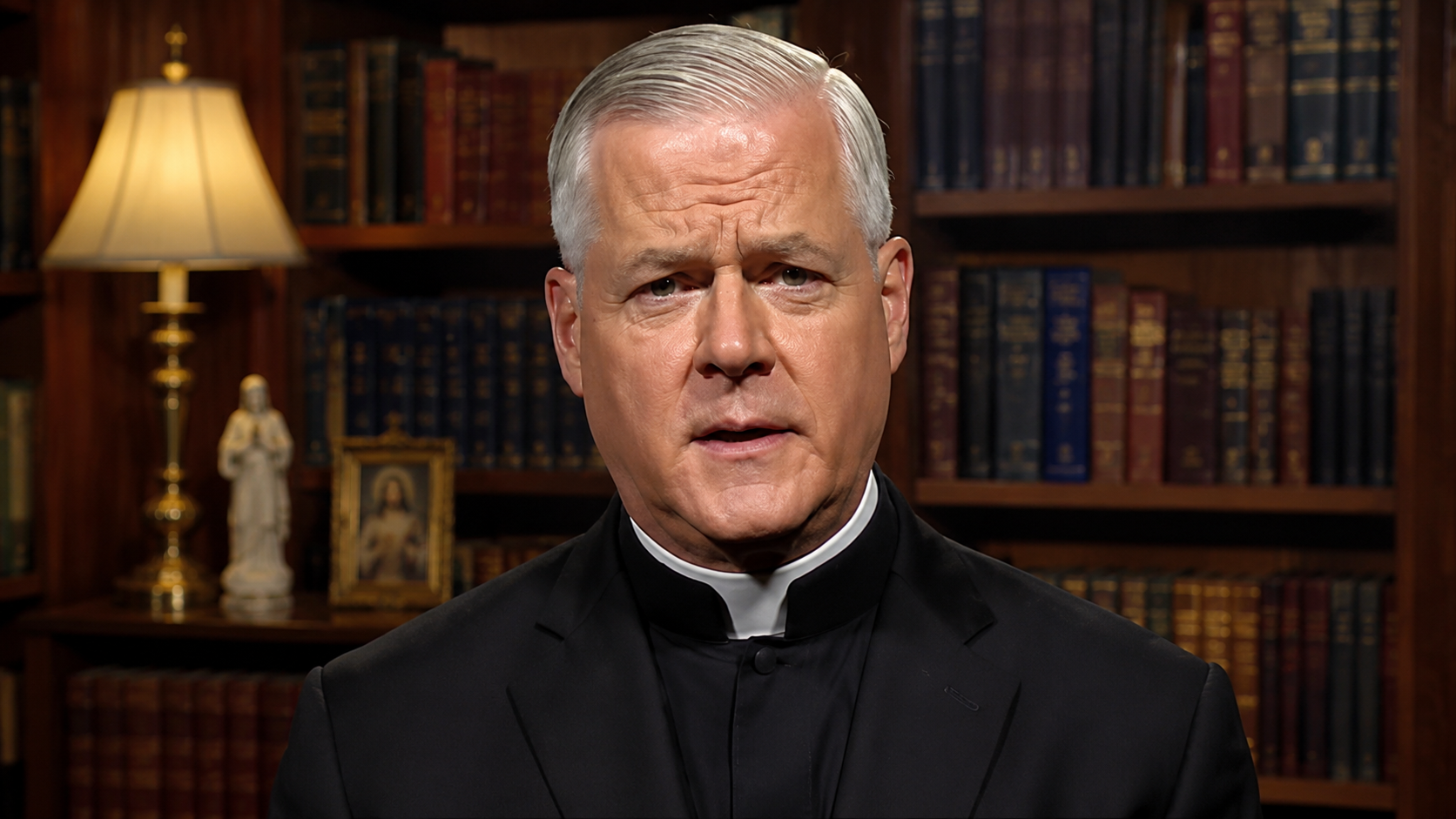
According to canon lawyer Fr. Gerald Murray, this preliminary recourse does not overturn or invalidate the decree. Rather, it is a procedural step that asks the Dicastery to reconsider its decision. The Dicastery has 30 days to respond. It may withdraw the decree—something Fr. Murray considers unlikely—or accept the recourse for a full administrative review.
Fr. Murray also pointed out what he sees as a deep irony: those who rejected the Church’s canon law by consecrating bishops without a papal mandate are now invoking that same canon law to seek relief from its penalties. In his view, the strongest path toward reconciliation is not a legal challenge but a humble acknowledgment of wrongdoing, a request for forgiveness, and full submission to the Roman Pontiff and the Church’s authority.
Whatever the outcome of the recourse, it is important to understand that this is a canonical procedure, not a declaration that the decree has already been overturned or that the penalties have been removed.
Here is the excerpt of the July 17, 2026 episode of the World Over.
Raymond Arroyo: Father, what does that preliminary recourse mean? What does it actually do? And are these bishops, these SSPX bishops, are they excommunicated or not today?
Fr. Gerald Murray: Okay, so, a couple of things. Yes. So, the four bishops who were ordained, and the two who ordained them—all members of the Society of Saint Pius X—they were declared excommunicated for the schismatic ordination of bishops, which happened. That was a canonical decree from the Dicastery for the Doctrine of the Faith.
It had immediate effect.
What they have done is, according to canon law, they have filed a recourse asking the congregation to withdraw this decree of excommunication.
And then the congregation—or the dicastery—has 30 days to reply whether they will, yes, in fact, withdraw it, which I don’t believe they’ll do, or that they’ll accept the recourse so that it can now, you know, have full administrative review at the Dicastery for the Doctrine of the Faith.
And this is, you know, employed in canon law. It gives you an opportunity to have an appeal against a sentence or a decree.
Now, the interesting thing, of course, is the very people who rejected canon law, which forbids you to ordain bishops without a papal mandate, now say, “Well, canon law is good because we’re going to follow its strictures about having this penalty removed.”
And that’s very ironic because you could say to them, “Now, wait a minute. You substituted your judgment for that of the Pope and went ahead and did something the Pope told you not to do. Now you’re turning to the delegates of that Pope, in essence, to say, ‘Well, now we entrust to you our fate because we want to follow—presumably, we’re going to follow—whatever decision you make.’”
I think, in the real sense, if they don’t get a withdrawal of the penalty, they’re just going to continue carrying on. They’re not going to say, “Well, canon law is binding, so if we’re excommunicated, we’re not going to continue to have sacraments and all the rest.”
So, it is a canonical provision. It doesn’t mean that the decision of the Doctrine of the Faith was annulled and is no longer in effect. It’s suspended. The effects of it are suspended.
That doesn’t mean it’s withdrawn.
So, we’ll see what happens. But it’s very, very ironic.
I’m glad they did it because it’s an implicit recognition that they’re subject to canon law, which is something that they did not acknowledge in the most grave matter, against the will of the Pope.
But my real advice to them is: drop the whole thing. Go right to Rome and say, “We did something wrong. We are going to ask for forgiveness for our sin. We want to be reunited with the Pope and the Church. And we want to live within the Church, just like so many other Catholics who are attached to the traditional liturgy and who defend the doctrine of the faith.”
Important Note: Fr. Gerald Murray recognizes that SSPX priests and laity are not excommunicated and that the Society’s confessions and marriages are valid. I have criticized this, with a support from two other great canon lawyers, in greater detail in the following articles.


Leave a Reply