As I argued in my previous article, The Continuing Fall of the SSPX, the Society is entering yet another period of serious crisis. If the planned episcopal consecrations proceed in July, further fragmentation is likely.
The SSPX’s own history shows that internal disagreements often lead to breakaways. Broadly speaking, three paths have emerged.
The first is the main body represented by Bishop Fellay and those who desire reconciliation with Rome but believe, in conscience, that they cannot accept Second Vatican Council and some of its post-conciliar developments, particularly the Novus Ordo Mass.
The second consists of those around Bishop Williamson, who have effectively left the Catholic Church. They broke away from the SSPX and established independent groups outside the Church’s canonical structure, with some eventually embracing sedevacantism or other forms of ecclesial separation.
The third consists of priests and faithful who concluded that the proper way to preserve Catholic Tradition is to remain fully subject to the Pope. Many found a home in communities such as the FSSP and other institutes established under the former Ecclesia Dei Commission.
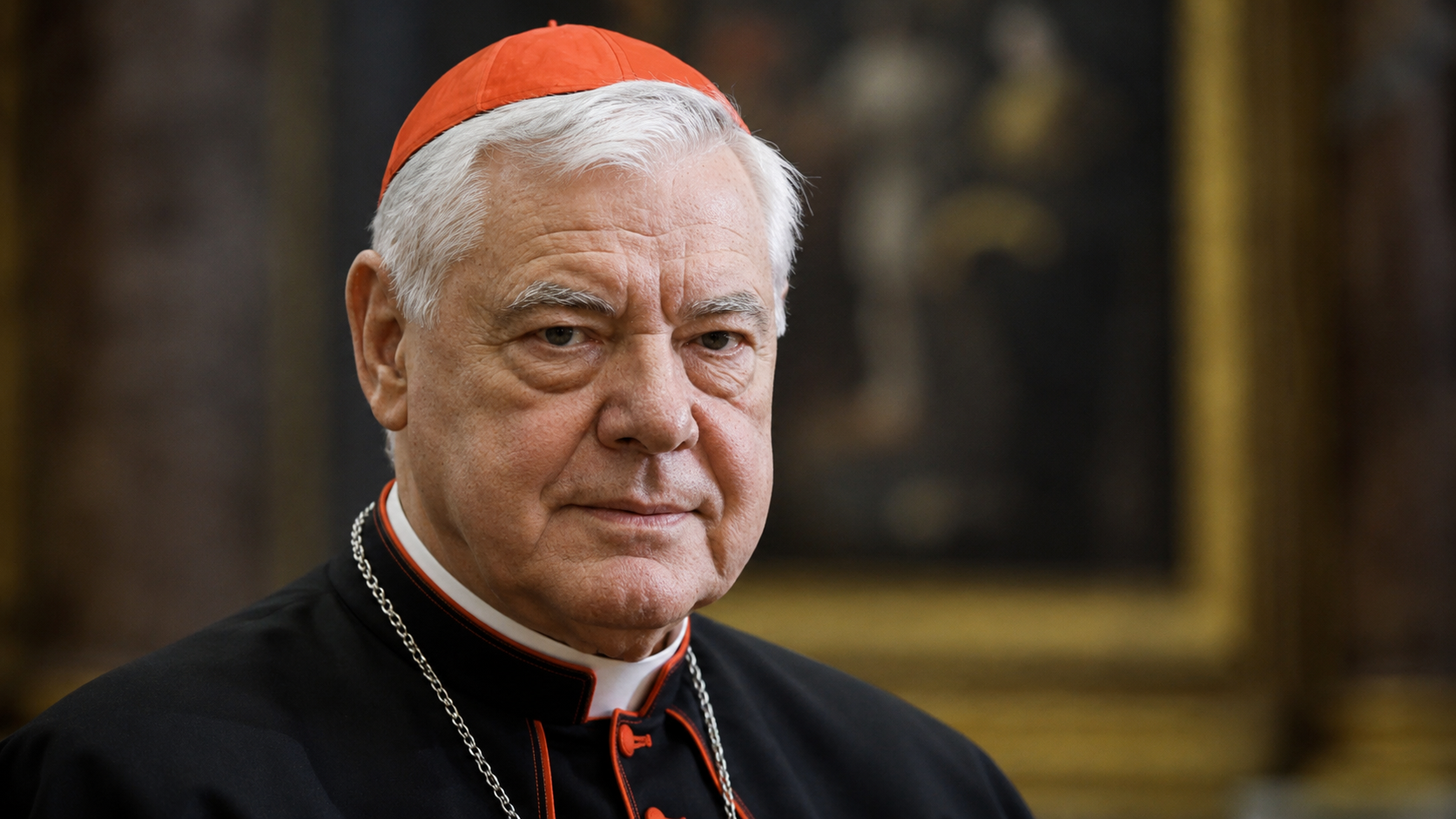
It is this third group that Cardinal Müller appears to have in mind. During the June 26–27 consistory, he urged the Vatican to respond formally to the SSPX’s recent Profession of Faith, arguing that it wrongly accuses Rome of abandoning Catholic Tradition. He also proposed restoring a structure similar to the former Ecclesia Dei Commission so that priests, religious, and faithful who may leave the SSPX after the planned July consecrations can be welcomed into full communion with the Church.
In his 3-minute remarks, he stated: “The boundary into schism is definitively crossed when the ministry of the Bishop of Rome, as the visible principle and enduring foundation of the Church’s unity in revealed truth, is violated. During the Council of Trent, the distinguished Polish Cardinal Stanislaus Hosius said to the Protestants of his own day—and his words apply equally to the Lefebvrists of our own time: “He is not a Catholic who is at variance with the Roman Church in the doctrine of the faith.”
Cardinal Müller has been remarkably consistent in his approach. While he recognizes that modernism remains a genuine problem within the Church, he also believes the SSPX has embraced an equally erroneous form of radical traditionalism. In his view, both extremes are harmful. Catholics should reject both theological liberalism, exemplified by the excesses of the German Church, and sectarian traditionalism, exemplified by the Lefebvrist movement.
The authentic Catholic path, he argues, is fidelity to the Church’s living Tradition in communion with the Successor of St. Peter. Both extremes can only be corrected by returning to the Catholic center.
This vision of balanced Catholicism is also the guiding principle of this apostolate, Epistles. I have long argued that faithful Catholics should reject both doctrinal liberalism and sectarian traditionalism. Instead, they should remain firmly rooted in Sacred Tradition while maintaining full communion with the Church.
This approach is exemplified by respected Catholic voices such as Cardinal Gerhard Ludwig Müller, Fr. Gerald Murray, Dr. Scott Hahn, and Cardinal Robert Sarah. Though they differ in style and emphasis, they share a common conviction: authentic Catholic renewal comes through fidelity to Tradition without breaking communion with the Church’s legitimate authority.
Such a balanced approach protects Catholics from both extremes. If one becomes overly accommodating, one risks supporting problematic theological or pastoral agendas promoted by figures such as Fr. James Martin. If one embraces an uncompromising and sectarian traditionalism, one risks adopting the errors of the SSPX and becoming part of a movement that has repeatedly fractured and may continue to do so.
The Catholic faith is not preserved by choosing one extreme over another. It is preserved by remaining faithful to Christ through His Church.
For this reason, Cardinal Müller’s proposal is both prudent and farsighted. By calling for the restoration of the former Ecclesia Dei Commission—or a similar body—he recognizes that the Church should be ready to receive those who sincerely wish to preserve the Church’s traditional liturgy and spirituality while remaining in full communion with the Pope.
Pope Francis integrated Ecclesia Dei into the Dicastery for the Doctrine of the Faith, but the current situation may once again warrant a dedicated structure. If further fragmentation of the SSPX occurs, such a body could provide priests, religious, and faithful with a stable canonical home where they can embrace the Church’s rich traditions without compromising ecclesial unity.
If adopted, Cardinal Müller’s proposal could become one of the most important initiatives for healing the divisions surrounding the traditionalist movement. It would preserve what is genuinely Catholic in the traditional movement while offering those leaving the SSPX exactly what they seek: fidelity to Tradition, full communion with the Church, and lasting canonical stability.




Leave a Reply