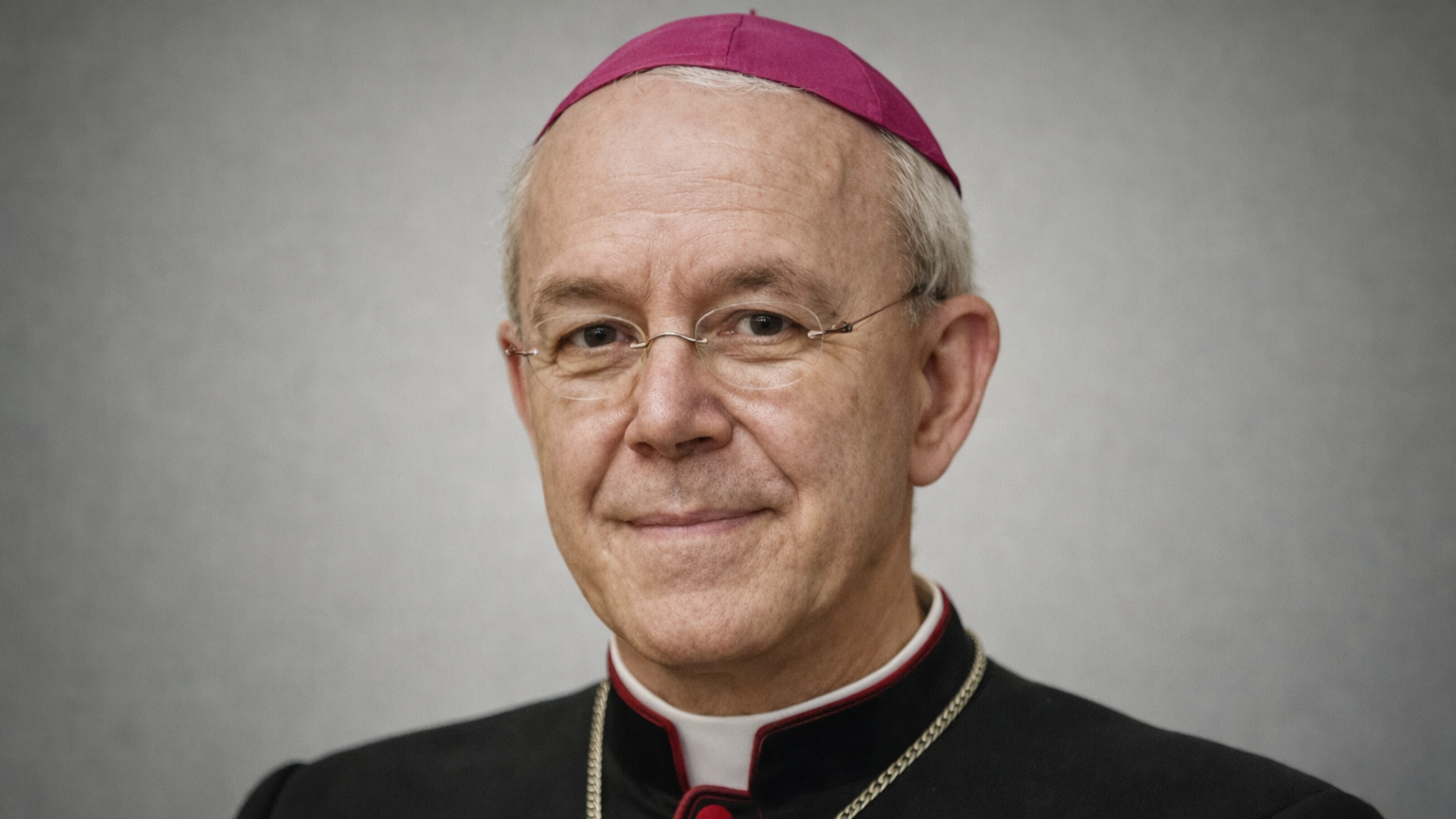
Bishop Athanasius Schneider’s latest statement reveals a remarkably one-sided view of the SSPX controversy. He effectively portrays those who do not fully support the SSPX as emotionally driven, insufficiently informed, influenced by preconceived biases, dismissive of the SSPX’s central concerns, methodologically flawed, prone to treating Vatican II as entirely dogmatic, neglectful of Pope Paul VI’s explanations, unwilling to acknowledge doctrinal and liturgical ambiguities, dismissive of concerns about the Novus Ordo, marked by legalism and excessive papal-centrism, inclined toward a quasi-divinization of the Pope, prone to placing legal obedience above doctrinal truth, shaped by modern ecclesial distortions, lacking intellectual honesty, unwilling to correct ambiguities, accepting or promoting doctrinal relativism, supporting a “Conciliar” or “Synodal” Church adapted to the world, relying on what he considers a dishonest hermeneutic of continuity, unfairly portraying the SSPX as schismatic and proud, and applying a double standard by showing greater patience toward other dissenting groups than toward the SSPX. (The list is long, I know. Apparently many of us have been doing Catholicism wrong all along.)
This is the mindset reflected in his June 4, 2026 statement urging the Holy Father, Pope Leo XIV, to approve the SSPX’s planned episcopal consecrations. He even warns that if the Pope were to impose excommunications, such an act would be remembered in Church history as an “error of excessive pastoral severity”—as though that would rank among the gravest mistakes a Pope could make.
Bishop Schneider argues that most discussions about the SSPX miss the real issues at stake. First, he believes Vatican II is often treated as if every one of its teachings were definitive and beyond discussion, even though he considers some of its non-definitive teachings—especially on religious liberty, ecumenism, interreligious dialogue, and collegiality—to be ambiguous.
Second, he argues that many Catholics approach the SSPX question through excessive legalism and an exaggerated view of papal authority, focusing more on canonical obedience than on whether doctrinal concerns have been adequately addressed.
Third, he maintains that the Church has been experiencing a profound doctrinal, liturgical, and pastoral crisis since the Council, resulting in confusion and relativism in many areas of Catholic life.
Fourth, he presents the SSPX as facing a genuine dilemma of conscience because Rome requires acceptance of teachings, statements, and liturgical reforms that the Society believes contain serious ambiguities or deficiencies.
Finally, he argues that the Holy See should respond not with punishments or excommunications, but with patience, dialogue, and pastoral generosity, seeking reconciliation while continuing discussions on the disputed doctrinal questions.
It should be noted that many of the accusations he makes could more appropriately be directed toward certain modernist groups within the Church. However, for those who are more familiar with the situation and its complexities—those with a balanced perspective who are sufficiently aware of the history and the current situation—there is a sense of frustration at how his statement is framed. In particular, Bishop Schneider’s presentation places all the weight on one side, effectively pressuring Catholics to align with a position that remains highly contested and, in the eyes of many, schismatic.
Does Bishop Schneider realize that every time he makes a one-sided defense of the SSPX, he risks fueling further division within the Church? When he repeatedly argues that the SSPX is right, the implication can easily seem to be that the Mother Church is wrong. This should concern him.



Leave a Reply