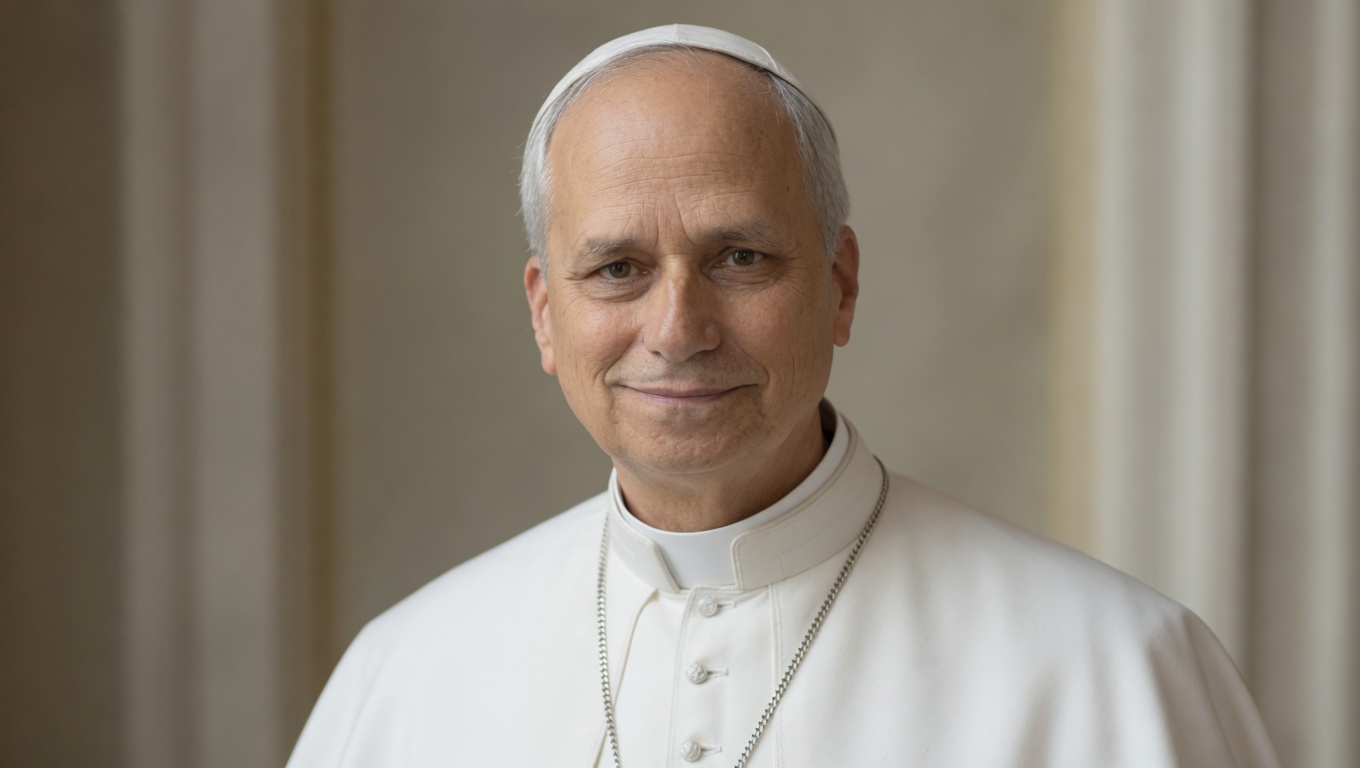
Pope Leo XIV’s catechesis on the liturgy (27May26) offers a timely reminder that the Church’s worship is never a private possession, nor a field for ideological expression. It belongs to Christ and is entrusted to the Church as a living communion.
In the audience, the Pope emphasizes that priests are called to celebrate the liturgy “with openness, humility, trust in God’s greatness and with sincere fidelity to ecclesial communion.” He also insists on “respect for the texts and norms of the liturgy,” not as a burden, but as a path of obedience that safeguards unity.
The Council Magisterium, in this way, thus calls for the avoidance of confusion amongst the faithful, discouraging anyone from adding, removing or altering anything in liturgical matters on their own initiative (cf. SC, 22). The progress evoked in the Conciliar Constitution in no way compromises ecclesial communion: rather, it seeks to confirm and foster it.
I therefore urge all those called to prepare the celebration of the divine mysteries, in particular priests who exercise the ministry of liturgical presidency, to always uphold that respect for the texts and regulations of the liturgy which springs from an inner attitude of openness and trust in God, manifesting humility before His greatness and sincere fidelity to ecclesial communion.
This teaching speaks into tensions that have long marked Catholic life today.
On one side, there is the temptation of constant experimentation—treating the liturgy as something to be reshaped according to personal taste, creativity, or pastoral strategy. When the liturgy becomes a space for novelty rather than faithful reception, it risks losing its identity as the Church’s common prayer.
On the other side, there is the opposite danger: a form of rigidity that clings to correct liturgical forms but gradually weakens or even breaks “ecclesial communion.” In such cases, the liturgy may be externally reverent, yet internally detached from the Church’s visible unity under the Successor of Peter.
Pope Leo’s emphasis brings both tendencies into focus. Fidelity is not only about rubrics, and communion is not optional. The two belong together.
A genuinely Catholic approach avoids both extremes. It means receiving the liturgy as given by the Church, whether in the Ordinary Form or the Extraordinary Form where legitimately permitted, and celebrating it with reverence, interior faith, and obedience. Many lay faithful and priests attached to tradition live this balance well: they seek to deepen reverence in the Novus Ordo Mass or participate in approved celebrations of the Traditional Latin Mass within diocesan structures, without turning liturgy into a banner of opposition.
What the Pope is pointing toward is not a “middle compromise,” but a deeper unity: a liturgical life rooted in obedience, reverence, and communion at the same time. The liturgy is not ours to control—it is Christ’s gift to the Church, and it is meant to form us into one body rather than divide us into competing camps.
In that sense, his message is not restrictive but restorative: a call to rediscover worship as an act of the whole Church, where truth, beauty, and unity belong together.



Leave a Reply