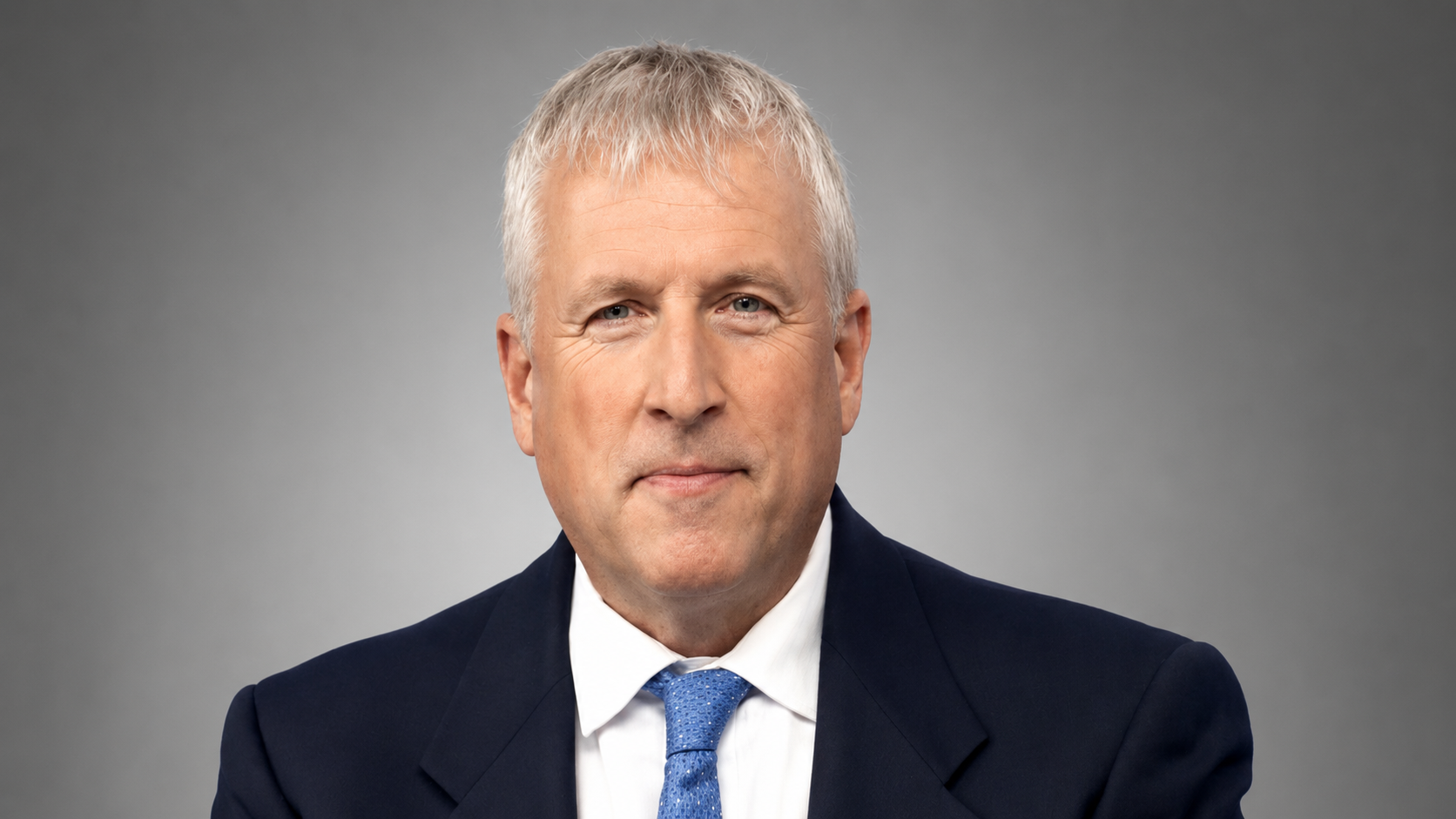
In an interview with Raymond Arroyo, the author of American Pontiff: Pope Leo XIV and His Plan to Heal the Church, Paul Kengor made a compelling case that Pope Leo XIV does not fit the labels that many commentators have rushed to place on him. According to Kengor, much of the media narrative portraying Pope Leo as a liberal or a Democrat overlooks both his personal history and his long-standing Catholic convictions.

Kengor pointed out that Pope Leo’s record reveals a man deeply rooted in traditional Catholic teaching. Referring to his background, he noted that “he started the pro-life club at Villanova University” and “participated in the first marches for life.” Looking at Leo’s positions on major moral issues, Kengor argued that “if you go back and look at his background and his beliefs on issues from abortion to marriage to gender to sexuality,” the evidence simply does not support the liberal label. In fact, he concluded that Pope Leo is “really just a Catholic” who holds traditional Catholic views.
One of Kengor’s more surprising observations concerns Pope Leo’s voting history. He stated that Robert Prevost “voted in the Illinois Republican primaries repeatedly” after returning to the United States and voted “never in the Democratic primaries.” While Kengor cautioned against reducing a pope to partisan politics, he argued that these facts make it difficult to portray Pope Leo as a Democrat.
At the same time, Kengor stressed that Pope Leo should not be viewed as a repudiation of Pope Francis. In fact, he explicitly said, “I don’t say this with any offense or to attack Pope Francis,” noting that he had “defended Francis over and over and over again.” Nevertheless, Kengor acknowledged that by the end of the Francis pontificate, many Catholics across the spectrum were weary of the turbulence that often accompanied it. As he put it, “the liberals, the conservatives, the moderates, they were all tired of the chaos and confusion.”
According to Kengor, this desire for stability helps explain why the cardinals overwhelmingly elected Leo. He noted that Leo reportedly received 108 votes out of 133 cardinal electors by the fourth ballot, calling him “a consensus pick.” Kengor said that cardinals and Catholics from very different camps saw in him “somebody who would bring a sense of stability and normalcy back to the papacy.”
This also explains why Pope Leo has not immediately removed controversial figures or reversed every appointment made under Pope Francis. When asked whether Leo would quickly replace figures such as Cardinal Víctor Manuel Fernández or make sweeping personnel changes, Kengor replied, “Not right away.” He explained that Leo’s approach is not revolutionary but gradual: “This guy is going to make changes quietly.” Rather than creating new turmoil by immediately dismissing prominent officials, Kengor believes Leo is allowing time for a more measured transition while gradually shaping the Church’s leadership according to his own vision.
Kengor also emphasized that peace has become the defining theme of Leo’s pontificate. Recalling the new pope’s first appearance after his election, he noted that Leo’s opening words were “Peace be with all of you.” He observed that throughout that first address, “he used the word peace ten times” and concluded that “peace has really been the dominant theme” of his pontificate so far.
Whether one agrees with all of Kengor’s conclusions or not, his research serves as a useful reminder that Pope Leo XIV is more complex than the labels often assigned to him. Far from being a partisan political figure, Kengor presents him as a Catholic pastor seeking to restore peace, stability, and unity in the Church while remaining faithful to its moral and doctrinal tradition.
If you’d like to learn more about Pope Leo XIV’s background, beliefs, and vision for the Church, consider purchasing American Pontiff: Pope Leo XIV and His Plan to Heal the Church by Paul Kengor on Amazon using the links provided.



Leave a Reply